- Block your calendar for deep work before anything else fills the day.
- Scope projects honestly — optimistic timelines cause most of the fires.
- Replace status meetings with a short written update and reclaim hours every week.
- One project at a time per person beats context-switching across five.
- Review the week every Friday so next week starts with a plan, not a scramble.
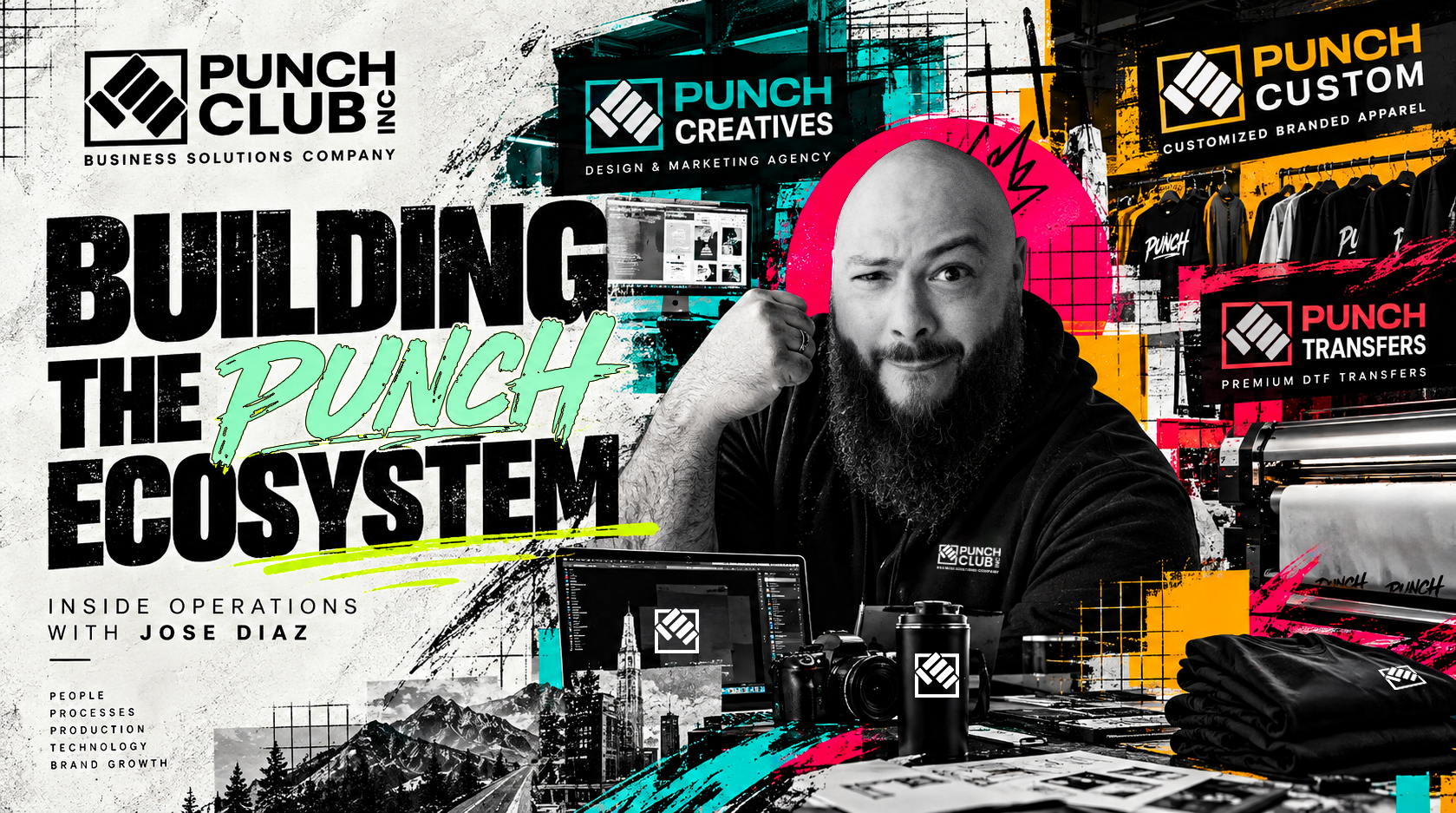
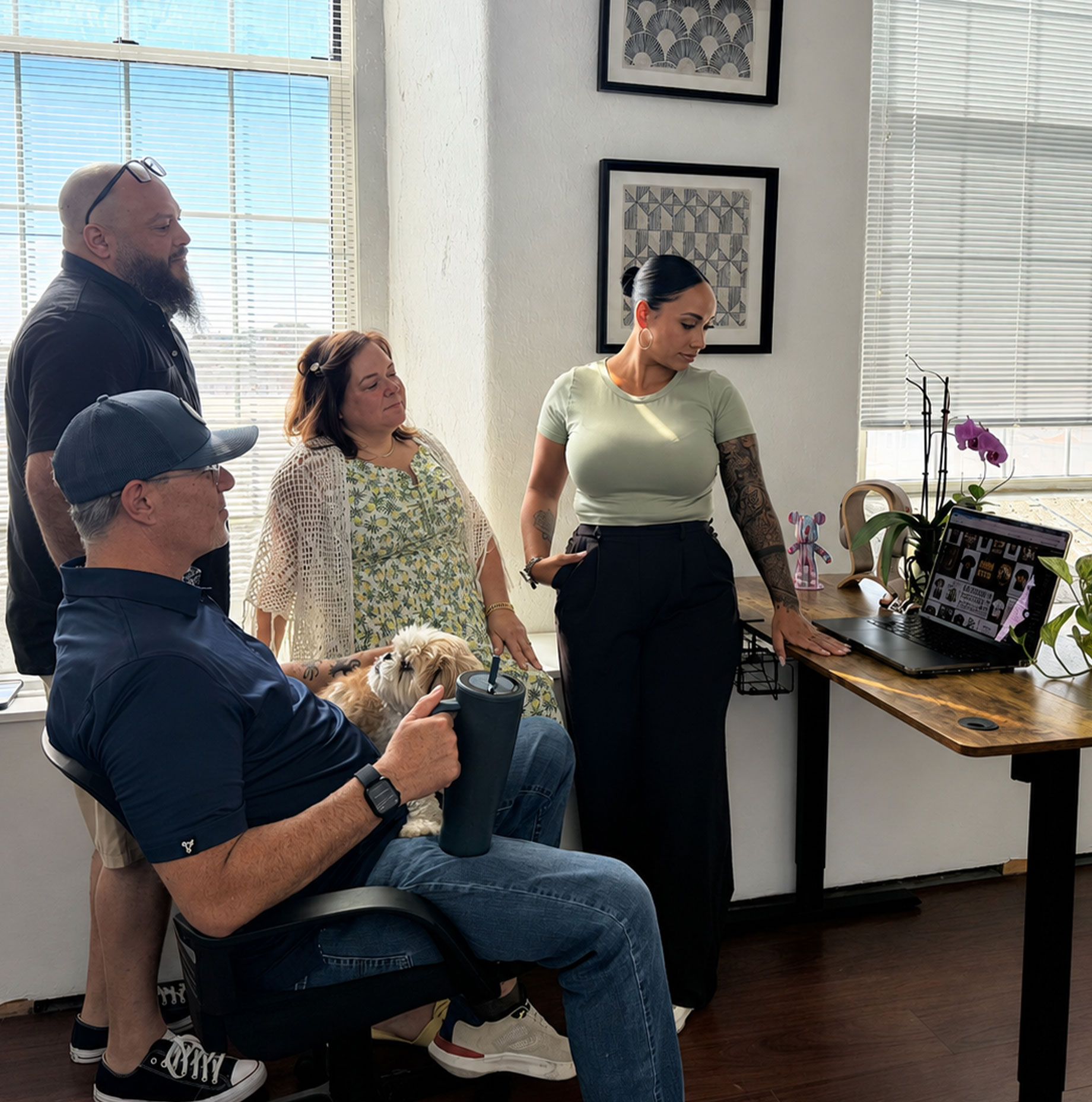
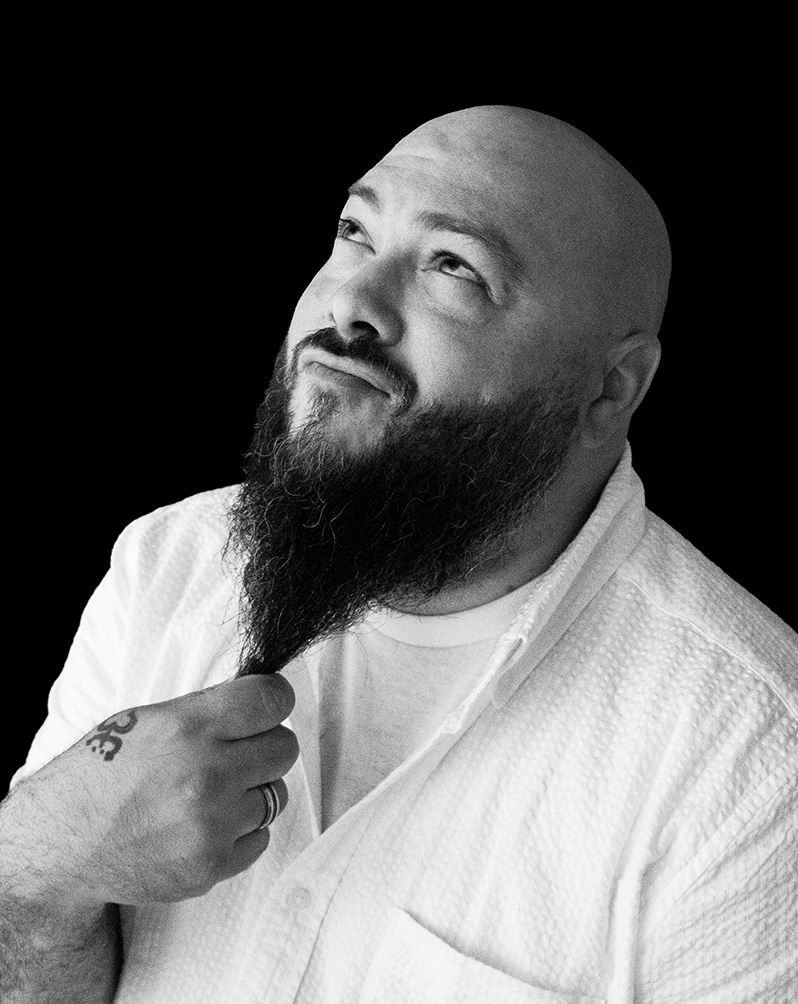
I'm Jose, the Director of Operations at Punch Creatives. When a client project starts slipping, I'm the person who gets pulled in. After years of running web design, branding, and production work for businesses across the South Coast, I've learned that time management in an agency has very little to do with a fancy app and almost everything to do with honesty — honest scoping, honest priorities, and honest communication with the client.
Here is what actually keeps our team on time, and the things I stopped doing because they made us slower, not faster.
Protect deep work before the day fills up
Creative work — designing a logo, building a page, writing copy — needs long, uninterrupted blocks. The problem is that if you wait until the morning of to find that time, it's already gone. Calls, emails, and Slack messages fill every gap before you notice. So I block deep work on the calendar first, at the start of the week, before anything else gets a slot. Everything else gets arranged around it.
At Punch, our designers and developers have protected morning blocks. Meetings and client calls go in the afternoon. It sounds simple, but it is the single change that recovered the most lost hours for us.
Scope honestly, not optimistically
Most missed deadlines I deal with were never realistic to begin with. Someone looked at a project, thought 'that's about two weeks,' and committed. They forgot the client review cycle, the revisions, the wait for content, the other projects competing for the same person's attention.
Now we build timelines backwards from the launch date and add the real friction: two rounds of revisions, a buffer for client feedback, and a few days for the things we cannot predict. A timeline that looks a week longer on paper usually ships on time. The optimistic one almost never does.
- Build the timeline backwards from the deadline, not forwards from today.
- Add the real review and revision cycles, not the ideal ones.
- Leave a buffer — something always comes in late, usually client content.
- If two projects need the same person, they do not run in parallel. Sequence them.
Kill the status meeting
We used to have a Monday status meeting where everyone said what they were working on. It took an hour and told me almost nothing useful. Now everyone posts a short written update: what they finished, what they're on, and where they're blocked. I read it in five minutes. If someone is blocked, I jump on a quick call with just them. The team got back an hour a week, and I actually know where things stand.
The rule I use: if a meeting does not have a decision attached to it, it should be a written update. Most meetings are just updates in disguise.
One project at a time per person
Context switching is the silent killer of agency productivity. Every time a designer jumps from a landscaping brand to a restaurant website and back, they lose the thread and spend twenty minutes just getting back into it. When we can, we give each person one primary project for a stretch of days rather than splitting them across five things at once.
It does not always work — small projects and quick turnarounds happen. But when we protect focus, the work is better and it finishes faster. The math is simple: one focused day beats three fragmented ones.
Review the week on Friday
Every Friday afternoon I spend twenty minutes looking at what shipped, what slipped, and why. Then I lay out the priorities for the next week before I leave. Monday morning starts with a plan instead of a scramble to figure out what matters. It is the smallest habit on this list and the one I would keep if I had to drop everything else.
Tools help, but they are not the system
People ask me what project management tool we use. The honest answer is that the tool matters far less than the rules around it. A good system in a basic tool beats a bad system in an expensive one. We use a shared board where every project has an owner, a status, and a due date. That's it. The discipline of keeping it accurate is what makes it work, not the software.
Running a project with a creative agency and tired of missed deadlines? Punch Creatives keeps web, branding, and production work on schedule for businesses across Massachusetts and Rhode Island. Reach out and we'll show you how our process stays on time.